Varroa destructor is a parasitic mite that feeds on honeybee fat bodies and transmits destructive viruses including Deformed Wing Virus. It is the number one health threat facing managed honey bee colonies in North America, and it's the first thing responsible beekeepers in Cache Valley should plan around every season.
Every hive in northern Utah eventually gets Varroa mites. The question is not if your bees have mites, but how many they have, how fast the population is growing, and when you'll intervene. Beekeepers who monitor and treat on schedule keep their hives alive. Those who don't usually lose colonies sometime between late fall and early spring.
Below is the full practical cycle: how to test with an alcohol wash, when treatment thresholds matter, and how products like Apivar, Apiguard, hop beta acid treatments such as Hop Guard, and oxalic acid fit into a real Cache Valley management plan.
How to Monitor: The Alcohol Wash
You can't manage what you don't measure. The alcohol wash is the gold standard. It's fast, accurate, and gives you a number you can act on.
What You Need
- A wide-mouth mason jar with a #8 mesh screen lid (or buy a purpose-built mite wash kit)
- 91% isopropyl rubbing alcohol, not 70%. The higher concentration kills mites faster.
- A ½-cup measuring scoop
How to Do It
- Find a brood frame with open larvae (nurse bees carry the most mites). Shake or brush bees into a small tub.
- Scoop ½ cup of bees (~300 bees) into the jar.
- Add alcohol to cover the bees. Cap with the mesh screen.
- Shake vigorously for 30–45 seconds.
- Pour the alcohol through the mesh into a white bowl or plate. Count the mites (small reddish-brown dots).
- Divide by 3 to get your mites per 100 bees.
What the Numbers Mean
| Mites per 100 Bees | Status | Action |
|---|---|---|
| 0–1 | Low | Monitor again in 4–6 weeks |
| 2 | Moderate | Plan treatment within 2–3 weeks |
| 3+ | High | Treat now. Colony is at risk. |
| 5+ | Critical | Immediate treatment required; colony damage already occurring |
Some sources use a threshold of 2 per 100 in spring and 3 per 100 in late summer. In Cache Valley's short season, we recommend treating at 3 per 100 regardless of time of year. You don't have weeks to spare.
Cache Valley Treatment Calendar
Timing matters as much as the treatment itself. Here's when to monitor and treat in our climate zone:
| When | Action | Notes |
|---|---|---|
| Late May | First mite count | Do this before adding honey supers. Baseline measurement. |
| July | Second mite count | Mite populations doubling monthly. Treat if above threshold. |
| Late August – September | Critical treatment window | This is the most important treatment of the year. Winter bees are being raised now. |
| Nov – Dec | Broodless treatment (optional) | Oxalic acid vaporization when colony is broodless. 90–95% efficacy. |
Treatment Options
There are four main categories of Varroa treatments available to hobbyist beekeepers. Each has different temperature requirements, application methods, and restrictions. In Cache Valley, our temperature swings matter.
Formic Pro (Formic Acid)
Formic Pro is a formic acid strip placed on top of the brood frames. It releases vapor that kills mites, including mites under cappings (most treatments can't reach those).
| Detail | Info |
|---|---|
| Temperature range | 50–85°F (10–29°C) |
| Duration | 14 days (2-strip application) or 20 days (extended single-strip) |
| Honey supers | Yes. Can be used with supers on. |
| Efficacy | Up to 97% in ideal conditions |
| Best timing | Late May, July, or early September |
| Notes | Can cause queen loss in a small percentage of hives. Ventilate well. |
Cache Valley fit: Excellent for spring and early fall when temperatures are in the right range. Our July highs sometimes exceed 85°F, so check the forecast before applying in midsummer.
Apivar (Amitraz)
Apivar is a plastic strip impregnated with amitraz. You hang two strips in the brood nest and leave them for 42 days.
| Detail | Info |
|---|---|
| Temperature range | Any (contact-based, not temperature dependent) |
| Duration | 42 days minimum, remove by 56 days |
| Honey supers | No. Remove all honey supers before treatment. |
| Efficacy | Up to 99% with proper placement |
| Best timing | Late August – September (after honey harvest) |
| Notes | Rotate with other chemical classes to prevent resistance. |
Cache Valley fit: The best choice for the critical late-August treatment. Since you're pulling honey supers anyway, the timing works perfectly. The 42-day treatment runs from September into October, covering the entire winter bee rearing period.
Apiguard / ApiLife VAR (Thymol)
Thymol-based treatments come as a gel tray (Apiguard) or tablet (ApiLife VAR) placed on top of frames. The thymol vapor irritates and kills mites.
| Detail | Info |
|---|---|
| Temperature range | 59–95°F (15–35°C) |
| Duration | 4–6 weeks (two applications) |
| Honey supers | No |
| Efficacy | Up to 95% |
| Best timing | Late summer after harvest |
| Notes | Does not penetrate cappings. Strong odor. Bees may temporarily avoid the area. |
Cache Valley fit: Works well for late-summer treatment. Our September nights can dip below 59°F, which limits effectiveness. Best applied in August when temperatures are still reliable.
Oxalic Acid Vaporization / Dribble
Oxalic acid is applied either as a vaporization (often called OAV or sublimation) or a dribble method. It's most effective when the colony is broodless, because it only kills mites on adult bees, not under cappings.
| Detail | Info |
|---|---|
| Temperature range | Above 37°F for vaporization |
| Duration | Single application |
| Honey supers | No |
| Efficacy | 90–95% when colony is broodless |
| Best timing | November – December (broodless period) |
| Notes | Requires a vaporizer tool. Wear a respirator. Do not exceed one application per brood cycle. |
Cache Valley fit: Outstanding for a winter cleanup treatment. Our colonies are typically broodless from mid-November through December, which is the ideal window. Pair this with a late-August Apivar treatment for a strong one-two punch going into winter.
Chemical Rotation: Prevent Resistance
Mites can develop resistance to treatments, especially synthetic ones like Apivar (amitraz). Rotate between chemical classes each year:
- Year 1: Apivar (amitraz) in fall + oxalic acid in winter
- Year 2: Formic Pro (formic acid) in spring/fall + oxalic acid in winter
- Year 3: Apiguard (thymol) in fall + oxalic acid in winter
- Then repeat the cycle
The organic acids (formic, oxalic) and thymol have no known resistance issues, but rotating is still good practice.
Signs You Waited Too Long
If you see any of these, mite damage is already severe:
- Deformed wing virus (DWV): bees with shriveled, useless wings crawling on the landing board
- Parasitic Mite Syndrome (PMS): spotty brood, sunken cappings, bees chewing out dead pupae
- Rapid population decline: the colony shrinks noticeably over 2–3 weeks
- Visible mites on adult bees. If you can see them without looking, the infestation is extreme.
At this point, treatment can still save the colony, but the damage is done to the current generation. Treat immediately and accept that recovery will take weeks.
A Simple Varroa Treatment Plan for Cache Valley
If you want the simplest workable plan, do this:
- Late May: run your first alcohol wash before or just as supers go on
- July: test again and don't ignore rising counts
- Late August / September: use your main fall treatment while winter bees are still being raised
- November / December: apply oxalic acid during the broodless window if counts or history justify it
- Rotate treatment classes instead of leaning on one product forever
That single routine will save more colonies than any amount of guessing, wishful thinking, or internet debate about treatment-free beekeeping.
Varroa Treatment Kit
Monitoring and treatment essentials in one click. Includes both Apivar and Formic Pro so you can rotate chemical classes, plus a sticky board and screened bottom for monitoring.
Varroa Mite Treatment Kit
Monitoring and treatment essentials for keeping mite levels under control. The #1 threat to your colonies.
Beekeepers who already know mites are the main colony killer and want a practical monitoring-plus-treatment bundle.
Supports the monitoring and intervention rhythm that matters in Cache Valley, where mite loads can spike fast after summer honey flows.
Guessing about mite pressure or relying on a single product without the tools to check whether treatment actually worked.
What's included (4 items)
- Apivar (Varroa Mite Strips)
- Formic Pro (Mite-Away)
- Varroa Sticky Board
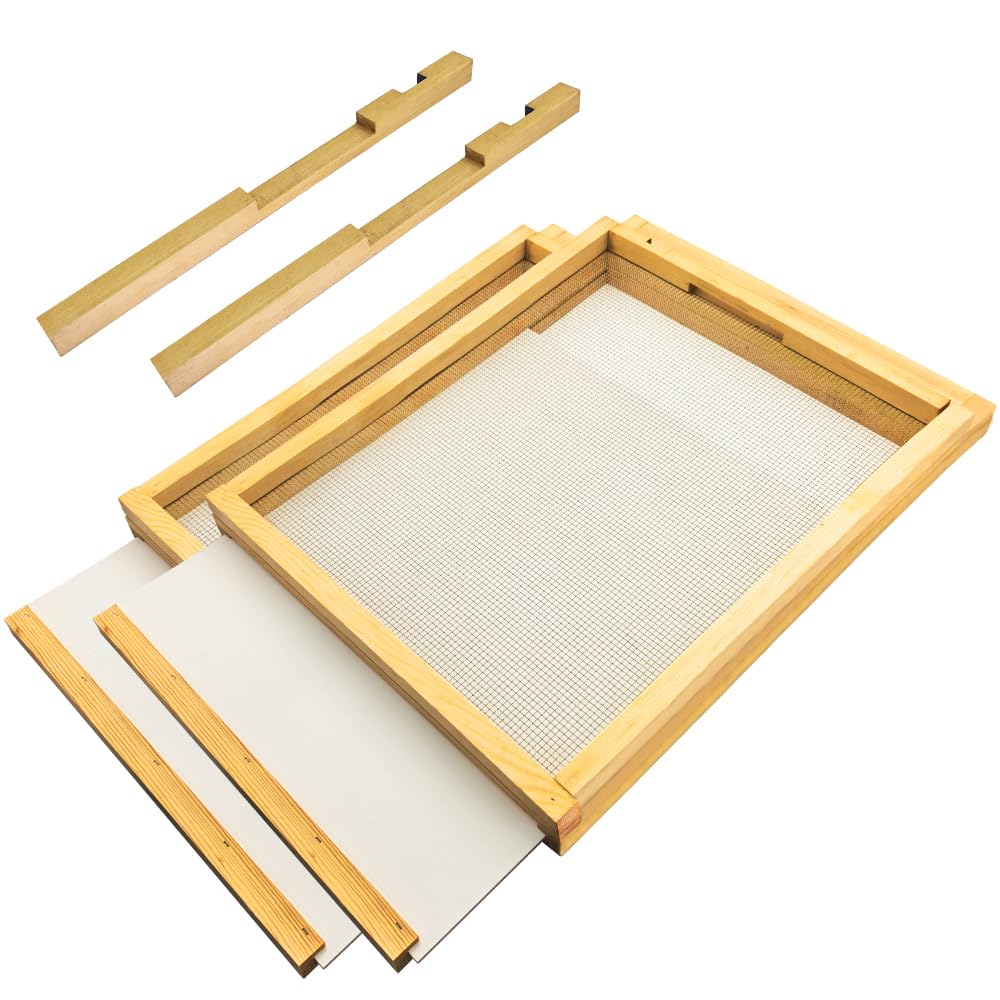
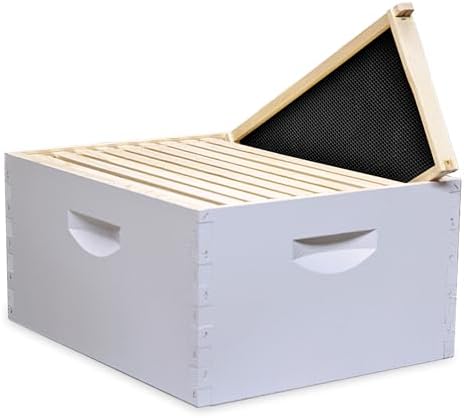
- Screened Bottom Board w/ Drawer
Recommended Varroa Products
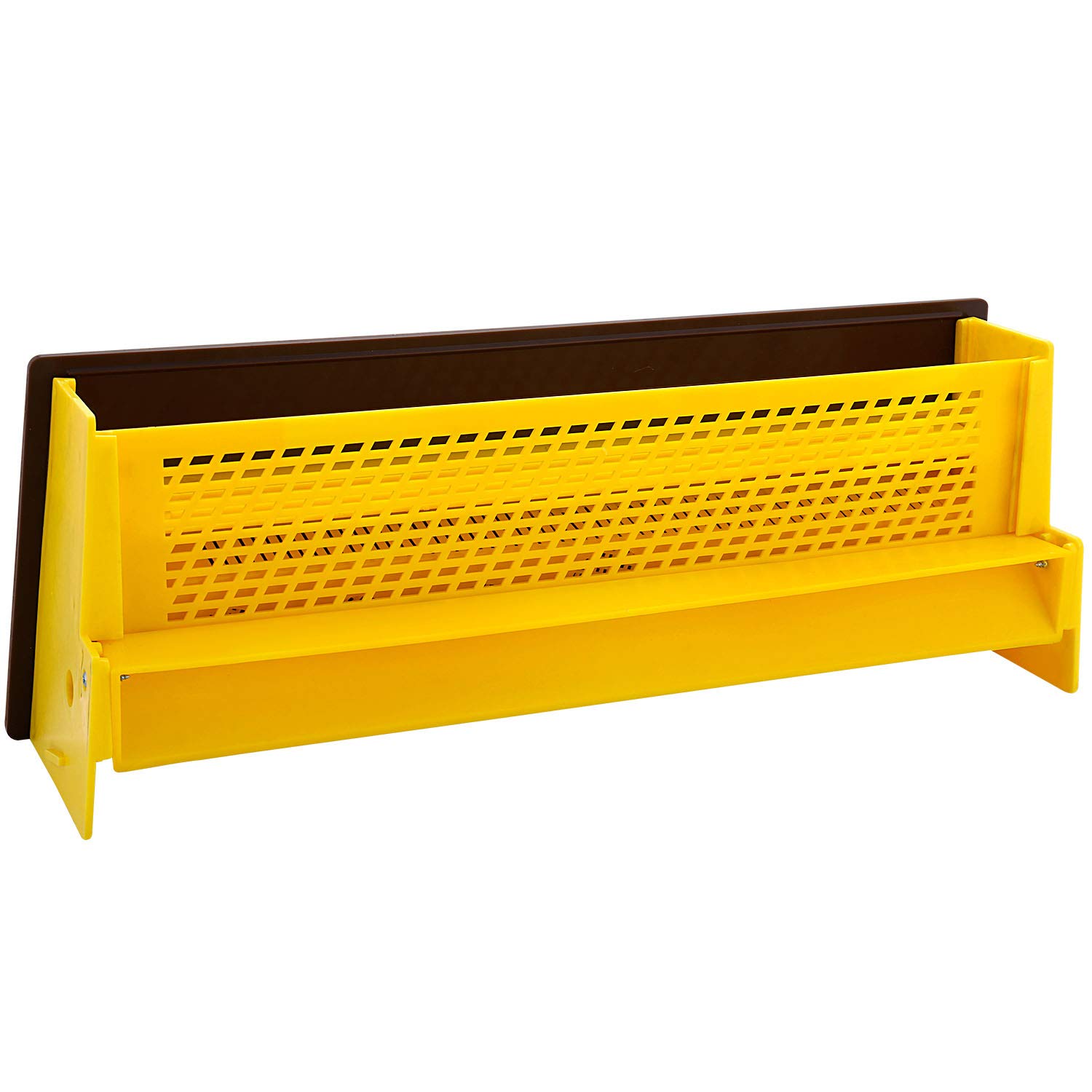
- Formic Pro. Formic acid strips that can be used with honey supers.
- Apivar. Amitraz strips with the highest efficacy for late-summer treatment.
- Hop Guard II. Hop beta acid treatment; similar category that many beekeepers search for as HopGuard 3.
- Varroa Corrugated Board for monitoring mite fall with a screened bottom board.
- Screened Bottom Board. Allows natural mite fall and monitoring.
Related Guides & Next Steps
Varroa management works best when it is part of your seasonal routine rather than a one-off emergency fix.
- Start with the spring inspection checklist so your first mite count happens on time.
- Read the Cache Valley forage guide to understand why the late-summer dearth and robbing season raise mite pressure.
- Beginner setup guide if you're still building your first hive and treatment plan.
- Shop bee health treatments and inspection tools before your next alcohol wash.
Product links above go to Amazon.com. As an Amazon Associate I earn from qualifying purchases.