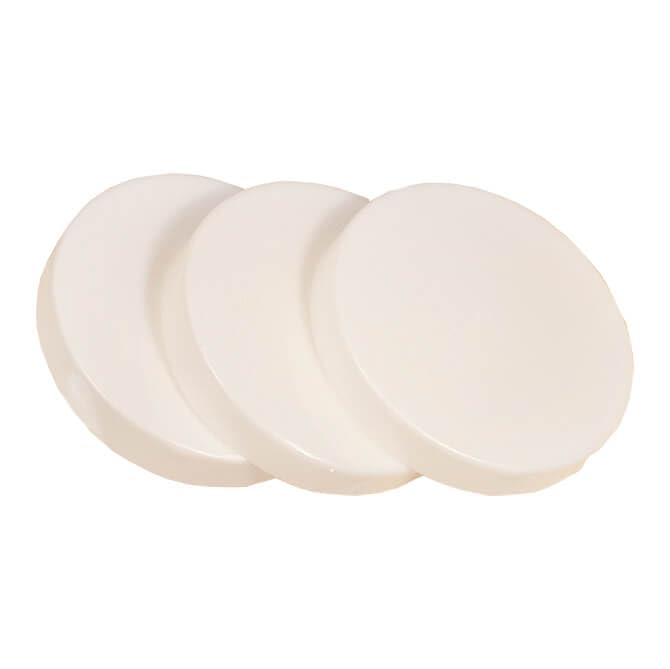
Ross Round Covers
Clear plastic covers for Ross Round comb honey sections. Snap on after harvest to seal and display the comb. Shows off the beautiful honeycomb inside. Sold individually.
Round comb honey sections and the frames, covers, and refill kits that produce them. Ross Rounds turn a standard medium Langstroth super into a comb-honey setup that bees can draw, cap, and finish without an extractor.
Clear plastic covers for Ross Round comb honey sections. Snap on after harvest to seal and display the comb. Shows off the beautiful honeycomb inside. Sold individually.
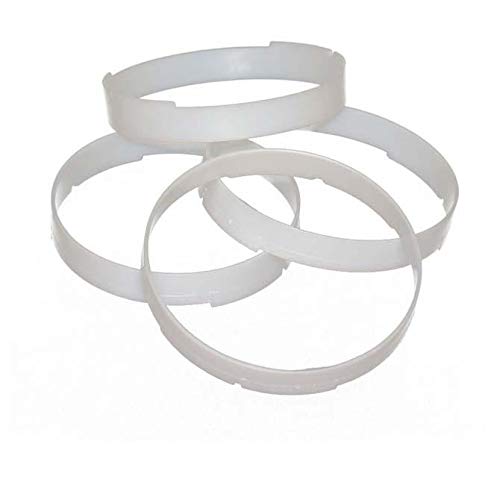
Ross Round section frame holds round comb honey sections. Fits into a standard medium super. Each frame holds several section rings. Bees draw comb through the rings to produce beautiful, marketable rounds of comb honey.
Kit Includes: Super Frames w/rings Covers Comb Basics Booklet Not Included: Wax Foundation Labels
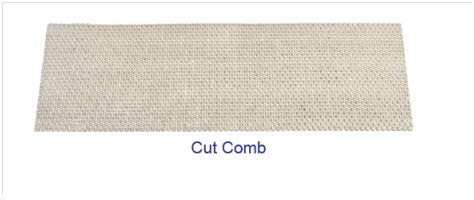
Medium cut comb foundation sheets sized for section honey production. Designed to help bees draw attractive comb for cut-comb or round-section style honey presentations.
As an Amazon Associate I earn from qualifying purchases. Prices may vary.
A Ross Round super replaces the deep frames of a standard medium honey super with round section frames. Each section frame holds a stack of plastic rings that the bees draw comb through, fill with honey, and cap. When the comb is finished, you separate the rings, snap on a clear cover, and you have a sealed round of comb honey ready to sell or gift — no extractor needed.
The format only works inside a standard 10-frame Langstroth medium super, so the rest of your setup stays the same. If your bees aren't drawing comb readily, give the colony a strong nectar flow, plenty of population, and a touch of starter foundation on the bottom ring to get them started.
Many beekeepers buy the full Ross Round kit the first year to learn the system, then reorder refill kits and covers in following years as they expand.
Cache Valley's main nectar flow is short but strong — alfalfa, sweet clover, and wild forage stack up in June and July, which is the window where Ross Rounds get drawn and capped quickly. A medium super dedicated to rounds works best on a populous colony that's already filling brood frames and has reliable forage in range. If you're trying comb honey for the first time, get the rounds on before the flow starts so the bees have time to draw and cap before late-July nectar drop-off.
If you keep bees in Logan, Hyrum, Smithfield, or anywhere along the Wasatch Front, the same timing applies — just adjust for your microclimate.
Comb honey rounds are one of the highest-margin products a small apiary can offer. Customers see and taste honey that was never touched by an extractor, the package is its own display, and you skip the cost and cleanup of extraction equipment entirely. For sideliners selling at farmers markets or local stores, a Ross Round retails for several times the per-ounce price of bottled honey.
Yes, but you need a strong colony and a real nectar flow. Hesitant draws usually trace back to under-populated supers or weak flow, not the rings themselves. Give it a frame of brood pulled up to entice activity if needed.
Standard 10-frame Langstroth medium supers. Stick with standardized woodenware from our hive components and the parts fit cleanly.
A typical Ross Round super produces 32 finished sections when fully drawn and capped — eight frames of four rounds each. Real-world yields depend on flow and colony strength.