If you keep bees in northern Utah, winter is not a casual season. Cache Valley regularly swings from sunny fall afternoons to hard freezes, inversions, wind, and long stretches where your colony can't break cluster. A hive that limps through winter in a milder climate often dies here.
The good news: most winter losses are preventable. Strong bees, enough food, dry air, and simple hardware changes do far more than expensive gadgets. If you winterize on time, your colony has a real shot at coming out of March ready to build instead of barely alive.
When to Winterize a Beehive in Northern Utah
The short answer: start in late August, finish the important work by late September or early October.
That timeline matters because winter prep is really three separate jobs:
- Late August to early September: treat Varroa mites, evaluate queen performance, and decide which colonies are worth carrying through winter.
- September: feed colonies that are light, reduce excess space, and make sure winter bees are emerging healthy.
- October to early November: add mouse guards, upper ventilation, insulation or wraps, and stop disruptive inspections.
If you wait until the first snowstorm to think about winter, you missed the real window. Winter success is built in fall.
Start With Colony Strength
Before you wrap anything, ask one question: is this colony strong enough to winter? In northern Utah, weak hives are expensive optimism.
A solid overwintering colony usually has:
- A laying queen with a decent brood pattern in late summer
- Enough bees to cover most frames in the brood boxes going into October
- Manageable mite levels after treatment
- Adequate food stores above and around the cluster
If a hive is tiny, queenless, or still overloaded with mites in September, combining it with a stronger colony is usually smarter than trying to save it alone. One strong hive winters better than two weak ones.
Check Food Stores Before It Gets Cold
For most northern Utah colonies, aim to enter winter with roughly 60 to 90 pounds of honey depending on hive size, elevation, and exposure. In practical terms, that often means a deep-and-deep configuration with the upper box well stocked, or a heavy double-medium setup.
Use all three of these checks:
- Heft the hive. Lift from the back. A winter-ready hive feels heavy enough that you notice it immediately.
- Look at capped honey frames. Outer and upper frames should hold real stores, not just scattered nectar.
- Watch the top box. The cluster should have food overhead so bees can move upward through winter without crossing empty comb.
If you need to build stores, feed 2:1 sugar syrup in early fall while daytime temperatures still let bees process it. Once it gets cold, liquid feed becomes less useful and can add moisture problems. Late-season emergency options are fondant, dry sugar, or winter patties placed above the cluster.
Deal With Varroa Before Raising Winter Bees
Winterizing is not just about insulation. A perfectly wrapped hive with high mite loads still dies. The bees raised in September and October are your winter bees; if they emerge virus-stressed from Varroa pressure, they won't live long enough to carry the colony to spring.
In northern Utah, the most important mite treatment window is typically late August through September. That's why many beekeepers use Apivar after honey supers come off, then follow with an oxalic acid cleanup during the broodless period later in the year.
If you haven't done an alcohol wash by late summer, do it. Guessing is not a plan. For a full treatment calendar, read our Varroa mite treatment guide.
Ventilation Matters More Than Warmth
Bees handle cold better than damp. Condensation kills more colonies than low temperature alone because warm bee breath rises, hits a cold surface, and drips back onto the cluster.
Your goal is simple: keep the hive dry without blasting the bees with drafts.
Good northern Utah ventilation usually includes:
- An upper entrance or vent notch so moisture can escape
- A moisture quilt, insulated cover, or absorbent material above the cluster
- A slightly tilted hive so condensation drains forward instead of dripping down
- A reduced bottom entrance small enough to defend, but not sealed shut
What you do not want is wide-open ventilation that creates a wind tunnel. Dry and sheltered beats airy and cold.
Should You Wrap Hives in Cache Valley?
Usually, yes, especially in exposed yards, higher elevations, or places with strong wind. Wrapping doesn't "heat" the hive. It helps reduce temperature swings, protects from wind, and makes it easier for the cluster to conserve energy.
Common options include:
- Black hive wrap for wind protection and solar gain
- Foam board insulation under the outer cover or around the hive body
- Moisture quilts packed with wood shavings above the inner cover
Wrap after daytime temperatures cool and robbing pressure eases, but before true winter weather arrives. In Cache Valley, that often means sometime in October.
If your apiary is in a sheltered urban yard, a strong colony may winter fine with only an insulated top and moisture control. If your bees sit in open wind near fields or foothills, extra protection is worth it.
Don't Forget Mouse Guards
As temperatures drop, mice start looking for warm cavities with food. A beehive is perfect. Once inside, they chew comb, contaminate equipment, and stress the colony.
Install mouse guards in fall, usually by October, before the first real cold snaps. Entrance reducers help, but a true mouse guard is better because it blocks rodents while still allowing bee traffic on warm days.
If you hear scratching in winter or find shredded comb and droppings in spring, the guard went on too late.
Reduce Extra Space
Big empty boxes make bees work harder to heat and defend the hive. Going into winter, remove unused supers and keep only the space the colony can realistically occupy.
That doesn't mean squeezing a large colony too tightly. It means matching hive volume to bee population. A strong colony in two deeps is normal. A weak colony rattling around in three boxes is asking for trouble.
How to Monitor a Hive Through Winter
Once winter really sets in, your job changes from management to observation. Don't tear the hive apart on a 35°F day just to reassure yourself.
Instead, monitor like this:
- Heft the hive every few weeks on a milder day to track food use
- Watch the entrance for cleansing flights during warm breaks
- Clear dead bees or snow if the entrance gets blocked
- Listen briefly with your ear to the box or use a stethoscope; a soft hum is enough
- Add emergency feed above the cluster if the hive becomes alarmingly light after January
In Cache Valley, late winter is often more dangerous than early winter. Colonies that seemed fine in December can starve in February or March when brood rearing ramps back up but forage still doesn't exist.
Northern Utah Winterizing Checklist
- Late August: test and treat for Varroa mites
- September: confirm queen performance and colony strength
- September: feed 2:1 syrup if stores are light
- October: remove empty supers and reduce excess space
- October: install mouse guards and entrance reducers
- October: add upper ventilation / moisture control
- October or early November: wrap or insulate if your yard is exposed
- Winter: monitor weight, entrances, and moisture without breaking the cluster
Fall & Winter Prep Kit
Mite treatment, moisture control, mouse guards, and emergency feeding supplies. Everything you need to winterize your hives in Cache Valley.
Fall & Winter Prep Kit
Winterize your hives for Cache Valley's cold winters. Mite treatment, moisture control, and emergency feeding supplies.
Any beekeeper trying to send colonies into winter heavier, drier, and better protected from mites and mice.
Targets the exact problems northern Utah hives face: mite pressure, moisture buildup, mouse intrusion, and late-season feeding.
Waiting too long on winter prep and discovering weak stores or high mite pressure after the weather turns cold.
What's included (6 items)
- Apivar (Varroa Mite Strips)
- Moisture Quilt
- Mouse Guard
- Entrance Reducer
- Top Hive Feeder
- Pollen Patties
Useful Winter Beekeeping Supplies
- Apivar for late-summer mite control
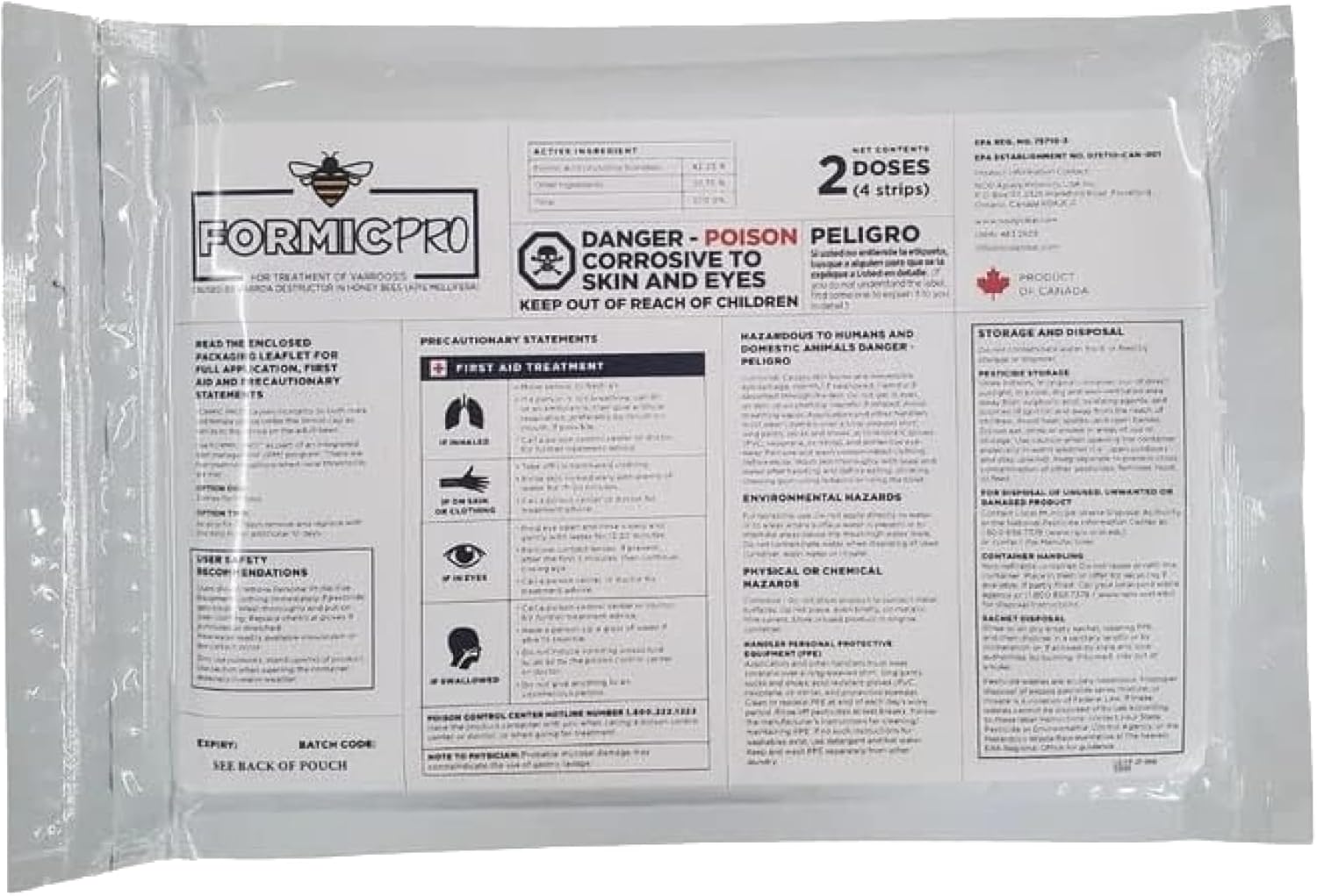
- Formic Pro if temperatures fit your treatment window
- Hive top feeder for fall syrup feeding
- Pollen patties for shoulder-season support when appropriate
- Screened bottom board for airflow and monitoring
Product links above go to Amazon.com. As an Amazon Associate I earn from qualifying purchases.
Winter losses happen to everyone eventually, but northern Utah colonies don't need fancy tricks. If your bees are strong, fed, dry, and low on mites by fall, you've handled the part that matters most.