One of the best things about keeping bees in Cache Valley is the forage. Alfalfa fields, clover pastures, fruit orchards in Wellsville and Hyrum, wildflowers across the Bear River Range. Our bees have access to a diverse buffet that most urban beekeepers can only dream about.
But forage isn't constant. There are gaps, especially in early spring before anything blooms, and in late July when clover tapers off. Knowing what's blooming and when helps you time your management decisions: when to feed, when to add supers, and when to harvest.
Below is what your bees are foraging on through the year in Cache Valley (USDA Zone 6b, ~4,400 ft elevation), and what you can plant to keep them fed all season.
Month-by-Month Forage Calendar
| Month | What's Blooming | Type | Impact on Hive |
|---|---|---|---|
| March | Nothing significant | — | Starvation risk. Feed 1:1 syrup and pollen patties if stores are low. |
| April | Willow, maple, early fruit trees (apricot, plum) | Pollen + light nectar | First natural pollen of the year. Critical for brood rearing. Still feed if needed. |
| May | Dandelions, apple & cherry trees, clover starts, penstemon | Pollen + nectar | Colony buildup accelerates. Dandelions are an important early nectar source. Don't spray them. |
| June | White & sweet clover (peak), alfalfa starts, wildflowers, yellow beeplant | Major nectar flow | Peak nectar flow. Add honey supers. Stop feeding. Bees can gain 5–10 lbs per week. |
| July | Alfalfa (peak), clover declining, lavender, Russian sage, sunflowers, globemallow | Moderate nectar | Nectar flow continues but starts tapering. Monitor for summer dearth in late July. |
| August | Goldenrod, aster, sunflowers, blanketflower, rabbitbrush starts | Secondary flow | Fall flow helps bees build winter stores. Harvest surplus honey. Begin Varroa treatment. |
| September | Goldenrod (late), rabbitbrush, aster (late) | Light nectar | Last foraging opportunities. Feed 2:1 syrup if stores are under 60 lbs. |
| Oct – Feb | Nothing | — | Colony survives on stored honey. Do not open hive. Check weight monthly. |
The Peak Flow: June Clover
June is when Cache Valley beekeeping pays off. White clover and sweet clover explode across the valley floor, alfalfa fields start blooming, and the foothills are covered in wildflowers. This is your main honey-making window.
During peak flow, a strong colony can pack away 5–10 pounds of nectar per day. You'll see fresh white wax on the frames, heavy bee traffic at the entrance, and nectar glistening in newly drawn cells. This is when you need to:
- Add supers aggressively. When the top super is 70% full, add another. Don't wait. A medium super above a queen excluder keeps honey separate from brood.
- Stop feeding. Bees bringing in natural nectar don't need syrup, and you don't want sugar water in your honey harvest.
- Watch for swarming. Strong nectar flow plus a booming population is a swarm recipe. Keep checking for queen cells.
The Summer Dearth: Late July
There's often a gap in late July when clover finishes and the fall flowers haven't started yet. During this dearth:
- Bees become more defensive (less incoming food = more guard behavior)
- Robbing increases. Strong hives will raid weak ones. Reduce entrances on smaller colonies with an entrance reducer or robbing screen.
- Queen laying may slow temporarily
- Don't panic. The fall flow usually picks up in August with goldenrod and aster.
What to Plant for Your Bees
If you have even a small yard, you can meaningfully improve forage for your hives. The key is covering three bloom windows: early, mid, and late season. Plant at least 3 species in each window for reliable coverage.
Early Season (April – May)
| Plant | Type | Notes |
|---|---|---|
| Dandelion | Wildflower | Already here. Stop spraying them. They're one of the first and best nectar sources. |
| Fruit trees (apple, cherry, plum) | Tree | Excellent pollen and nectar. Most Cache Valley properties have at least one. |
| Willow | Tree | Very early pollen source. Grows along streams and ditches throughout the valley. |
| Crocus & grape hyacinth | Bulb | Earliest garden flowers. Plant bulbs in fall for spring pollen. |
| Penstemon | Perennial | Native to the Intermountain West. Drought-tolerant. Excellent for bees. |
Mid Season (June – July)
| Plant | Type | Notes |
|---|---|---|
| White clover | Ground cover | The single best bee forage plant in our area. Seed into lawns or pastures. |
| Lavender | Perennial | Drought-tolerant, long blooming, and bees love it. Hidcote and Munstead varieties do well in Zone 6b. |
| Russian sage | Perennial | Thrives in our dry, alkaline soil. Blooms June through frost. Very low maintenance. |
| Alfalfa | Field crop | Major commercial crop in Cache Valley. If you have pasture, let some go to bloom. |
| Blanketflower (Gaillardia) | Perennial | Native, drought-tolerant, blooms all summer. Great in poor soil. |
| Globemallow | Perennial | Intermountain West native. Orange flowers, extremely drought-tolerant. |
| Yellow beeplant (Cleome lutea) | Annual | Native to Utah. Self-seeds. One of the best bee plants in the region. |
Late Season (August – October)
| Plant | Type | Notes |
|---|---|---|
| Goldenrod | Perennial | Major fall nectar source. Grows wild in many areas. Does NOT cause hay fever (that's ragweed). |
| Aster | Perennial | Late-blooming native wildflower. Pairs with goldenrod for a strong fall flow. |
| Sunflower | Annual | Easy to grow, excellent for bees and for kids. Plant in May for August blooms. |
| Rabbitbrush | Shrub | Native to the Great Basin. Yellow fall flowers. Grows in dry, rocky soil. |
| Sedum (stonecrop) | Perennial | Blooms late summer through fall. Very drought-tolerant. Great in rock gardens. |
- Plant in clumps of 3 or more. Scattered singles aren't worth the flight time for bees.
- Choose native and drought-adapted species. Our semi-arid climate and alkaline soil can be hard on non-native plants.
- Avoid pesticides on anything your bees will visit. Neonicotinoids are especially toxic to pollinators.
- Provide water from March 1 through October 31. A shallow dish with pebbles for landing spots works perfectly.
- Plan for at least 9 species total: 3 early, 3 mid, 3 late. This eliminates forage gaps.
How Forage Affects Your Honey
Cache Valley honey gets its character from what's blooming when the bees make it:
- Early season (clover/alfalfa): light amber, mild, classic honey flavor. This is what most people think of as "honey." Most Cache Valley honey falls here.
- Midsummer (wildflower mix): medium amber, more complex flavor with floral notes. Depends on what's within flight range.
- Late season (goldenrod/aster): darker, stronger, sometimes tangy. Some people love it, some don't. Bees need this for winter stores, so consider leaving it for them.
If you want to separate varietals, harvest your supers between flows. Pull the clover honey in late June before the wildflower mix comes in. Use a bee escape or Fischer's Bee-Quick to clear bees from supers without disrupting the colony.
Key Takeaways
- March is the danger zone. Feed if stores are light. Nothing is blooming yet.
- June is the money month. Peak clover and alfalfa flow. Have supers on and ready.
- Late July can be lean. Watch for robbing and defensive behavior during the dearth.
- Plant for three seasons. Even a few clumps of clover, lavender, and goldenrod make a real difference.
- Don't spray dandelions. They're feeding your bees (and everyone else's).
Related Reading
If you're planning around bloom timing, pair this forage calendar with your inspection and mite-management schedule so you don't miss the windows that matter.
- Spring inspection checklist. Use it before the June clover flow kicks in.
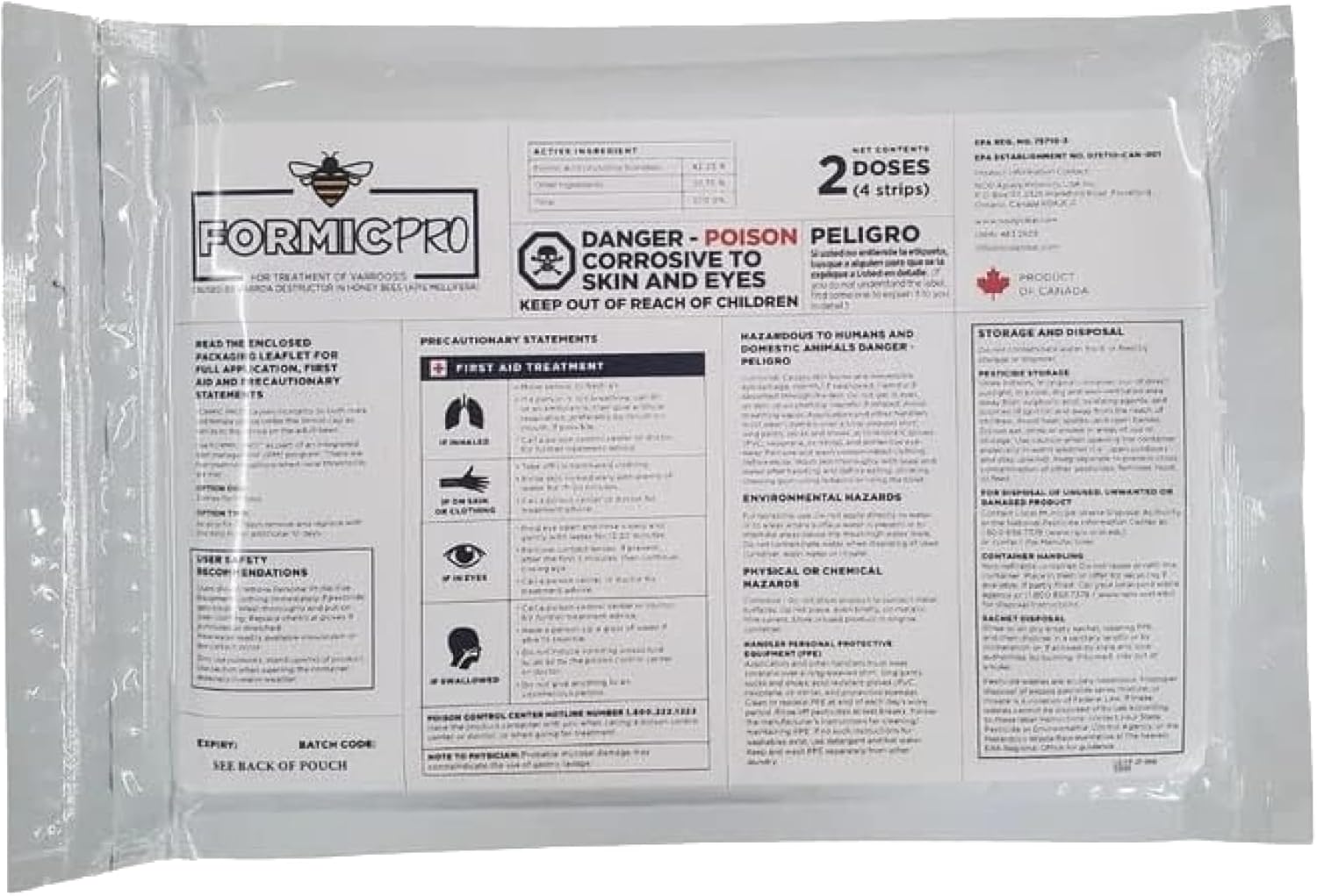
- Varroa treatment guide. Late-summer forage shifts and robbing pressure are tightly connected to mite pressure.
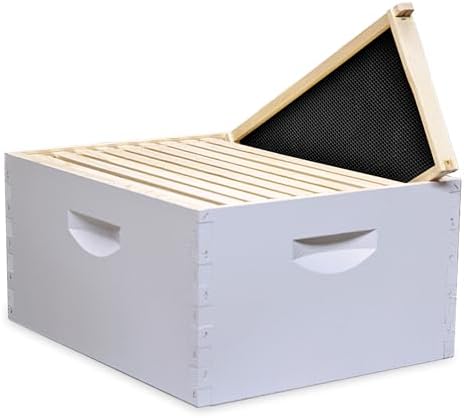
- Extraction & processing supplies and hive components help you capitalize on the peak nectar flow.
Product links above go to Amazon.com. As an Amazon Associate I earn from qualifying purchases.