Most new beekeepers shopping for the best beekeeping starter kit are trying to solve two problems at once: buy the right gear the first time, and avoid bundles that look complete on the listing but leave you short on essentials when the bees show up.
Starter kits aren't magic, they're collections of standard gear. The real difference comes down to three things: does the kit include what a beginner actually needs, do the parts fit standard Langstroth equipment, and is the cheap-looking price a product of efficiency or of corners cut where they matter?
What Should a Beekeeping Starter Kit Include?
Before comparing brands or bundles, know what a true beginner-ready kit needs to cover. A lot of kits advertise a big box of stuff but still miss one or two items that create a scramble on installation day.
- Bottom board
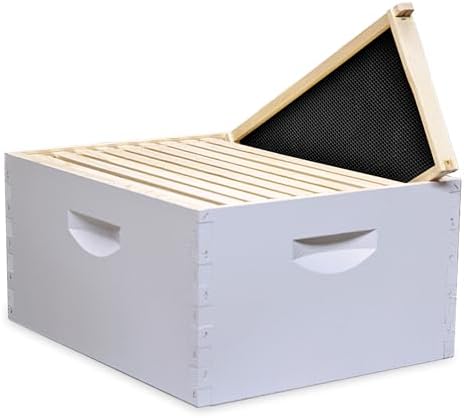
- One deep brood box minimum (ideally enough gear to run two deeps over time)
- 10 frames with foundation per box
- Inner cover and telescoping outer cover
- Feeder for package bees or spring buildup
- Protective gear: jacket or suit, veil, gloves
- Hive tool and smoker
- A way to expand once the colony grows
If the kit leaves out feeding equipment, arrives with flimsy frames, or includes a veil nobody wants to wear because visibility is terrible, it is not the best beekeeping starter kit no matter how attractive the price looks.
The Best Beginner Setup: Standard Langstroth, Not Weird Gear
For most new beekeepers, the best move is boring in a good way: buy standard 10-frame Langstroth equipment. It is widely available, easy to replace, and compatible with the tools, boxes, and accessories sold almost everywhere.
That matters more than it sounds. Beginner beekeepers already have enough variables to manage. The last thing you need is oddball equipment that makes it harder to replace a frame, add a super, or borrow advice from another beekeeper.
In Cache Valley and across Northern Utah, standard Langstroth gear also makes it easier to source local help and local parts quickly if something cracks, warps, or needs expanding mid-season.
Cheap Kits vs. Quality Kits
The cheapest starter kits usually save money in one of four places: thin wood, lower-quality foundation, poor protective gear, or weak accessories. None of those show up clearly in the product title, but they all show up later when you are trying to work bees calmly.
| Feature | Cheap Kit | Better Beginner Kit |
|---|---|---|
| Hive components | May need sanding, extra assembly, or replacement sooner | Standard dimensions, better fit, more dependable long term |
| Frames/foundation | Warping or poor fit more likely | More consistent assembly and bee acceptance |
| Veil/jacket | Hot, stiff, poor visibility | Comfortable enough to wear during full inspections |
| Tools | Included, but often flimsy | Fewer surprises when prying frames or lighting the smoker |
This isn't about spending wildly, it's about avoiding spending twice. A slightly better hive tool, a reliable smoker, and gloves that let you move frames cleanly will outlast a pile of random extras that end up in a drawer.
Top Starter Kit Approaches by Budget
Budget Option: Basic Hive Kit + Essential Tools
If money is tight, skip the giant all-in-one bundle and build a practical starter kit from essentials. Start with a hive kit from our starter kits, then add a hive tool, a smoker, a jacket with veil, and a feeder. This gives you the core without paying for filler.
Mid-Range Option: Full First-Hive Setup
The sweet spot for most beginners is one quality brood setup with enough components to expand on schedule. Think one complete hive plus extra frames and a plan to add boxes as the colony grows. This is often the best value because it avoids the frustration of upgrading low-quality parts immediately.
Best Value for Serious Beginners: Buy the Core Once
If you know you are sticking with beekeeping, prioritize durable woodenware, standard dimensions, and gear that makes inspections less stressful. That usually means a dependable hive body kit, better protective clothing, and the tools you will use every visit rather than the widest possible bundle.
Shop Our Starter Kits
We have put together three starter kits at different price points. Each one uses standard Langstroth gear and includes everything listed above. Pick the tier that fits your budget and add the whole kit to your Amazon cart in one click.
Beginner Basic Starter Kit
The bare essentials to get your first hive set up and inspect safely. A solid budget-friendly starting point.
Brand-new beekeepers who want to start one hive without overspending on extras they may not use yet.
Keeps the first setup simple so you can get bees installed fast during Cache Valley's short spring buildup window.
Buying a random bargain bundle that still leaves you missing a smoker, gloves, or feeder on install day.
What's included (6 items)
- Basic Hive Kit
- Bee Jacket
- Goatskin Leather Gloves
- Hive Tool
- Smoker
- Entrance Feeder
Beginner Complete First-Year Kit
Everything you need for a confident first year of beekeeping, including room to expand when your colony grows.
First-year beekeepers who want one confident purchase with enough room to grow through spring and summer.
Adds feeding and expansion gear that matters when colonies explode during Cache Valley's brief nectar flow.
Getting caught under-equipped when the colony fills the first brood box faster than expected.
What's included (11 items)
- Brood Kit (2 Deep Supers + 20 Frames)
- Bee Jacket
- Goatskin Leather Gloves
- Hive Tool
- Smoker
- Smoker Fuel
- Bee Brush
- Top Hive Feeder
- Entrance Reducer
- Honey Super Kit (Medium)
- Beekeeping for Dummies
Beginner Deluxe Complete Kit
The premium first-hive setup with maximum capacity, better tools, and health supplies. Built for beekeepers who are serious from day one.
Serious beginners who would rather buy the core equipment once and skip an early upgrade cycle.
Extra brood capacity and better handling tools help strong northern colonies build hard, swarm less, and stay easier to manage.
Outgrowing a starter setup mid-season and piecing together mismatched equipment under pressure.
What's included (15 items)
- 3-Deep Hive Kit
- Honey Super Kit (Medium)
- Bee Jacket
- Goatskin Leather Gloves
- Hive Tool
- J-Hook Hive Tool
- Smoker
- Smoker Fuel
- Bee Brush
- Frame Gripper
- Hive Top Feeder/Cover Combo
- Entrance Reducer
- Queen Excluder
- Beekeeping for Dummies
- Honey-B-Healthy
What We Would Buy for a First Hive
If we were building the best beekeeping starter kit for a beginner from scratch, here is what we would include:
- Hive components: start with a complete hive from our hive and woodenware categories.
- Protective gear: a bee jacket with veil and gloves that still let you handle frames.
- Smoker: a standard stainless smoker.
- Hive tool: a reliable hive tool that will not bend on day two.
- Feeding equipment: a top feeder or similar feeder for packages and spring buildup.
- Optional but smart: extra frames, a bee brush, and enough equipment planning to add boxes without scrambling.
As an Amazon Associate I earn from qualifying purchases.
Starter Kit Mistakes Beginners Make
- Buying by price alone. The cheapest bundle is rarely the easiest path.
- Ignoring comfort. If the veil and jacket are miserable, you will avoid inspections.
- Underbuying frames or boxes. Colonies can grow faster than you expect.
- Mixing odd equipment sizes. Standard gear saves headaches.
- Forgetting feed. Many beginners buy hive boxes and tools but no feeder.
What Matters Most in Cache Valley
In Cache Valley, the best beekeeping starter kit isn't the one with the most accessories, it's the one that gets bees established fast in a short northern season. That means solid equipment, feeding support from day one, and enough room to let a colony build before late-summer mite pressure and fall prep take over.
The thing we end up adding to most off-the-shelf bundles for our customers is the same one almost every bargain kit skimps on: a real feeder and the syrup to go with it. A package or a fresh nuc that arrives in mid-April here is starting from nothing in a cool, slow spring — it has to draw comb and raise brood before the dandelions even get going. A kit with a great smoker and no way to feed leaves a new beekeeper improvising with a Mason jar on a windy April evening. Buy the feeder with the kit, not after.
If you are starting with package bees, have feed ready from day one. If you are starting with a nuc, make sure the hive size and frame type match what you are buying. Either way, build for standardization and ease of use.
For a full local breakdown of what Utah and Cache Valley beekeepers buy, in what order, and why, see our beekeeping supplies Utah guide.
Final Answer
The best beekeeping starter kit for beginners is usually not a mystery brand mega-bundle. It is a standard Langstroth hive setup with dependable frames, a feeder, protective gear you will wear, and the two tools every beekeeper uses constantly: a smoker and a hive tool.
Buy the boring, compatible, proven setup. Your bees will not care about flashy packaging, and your future self will thank you when the parts actually fit.